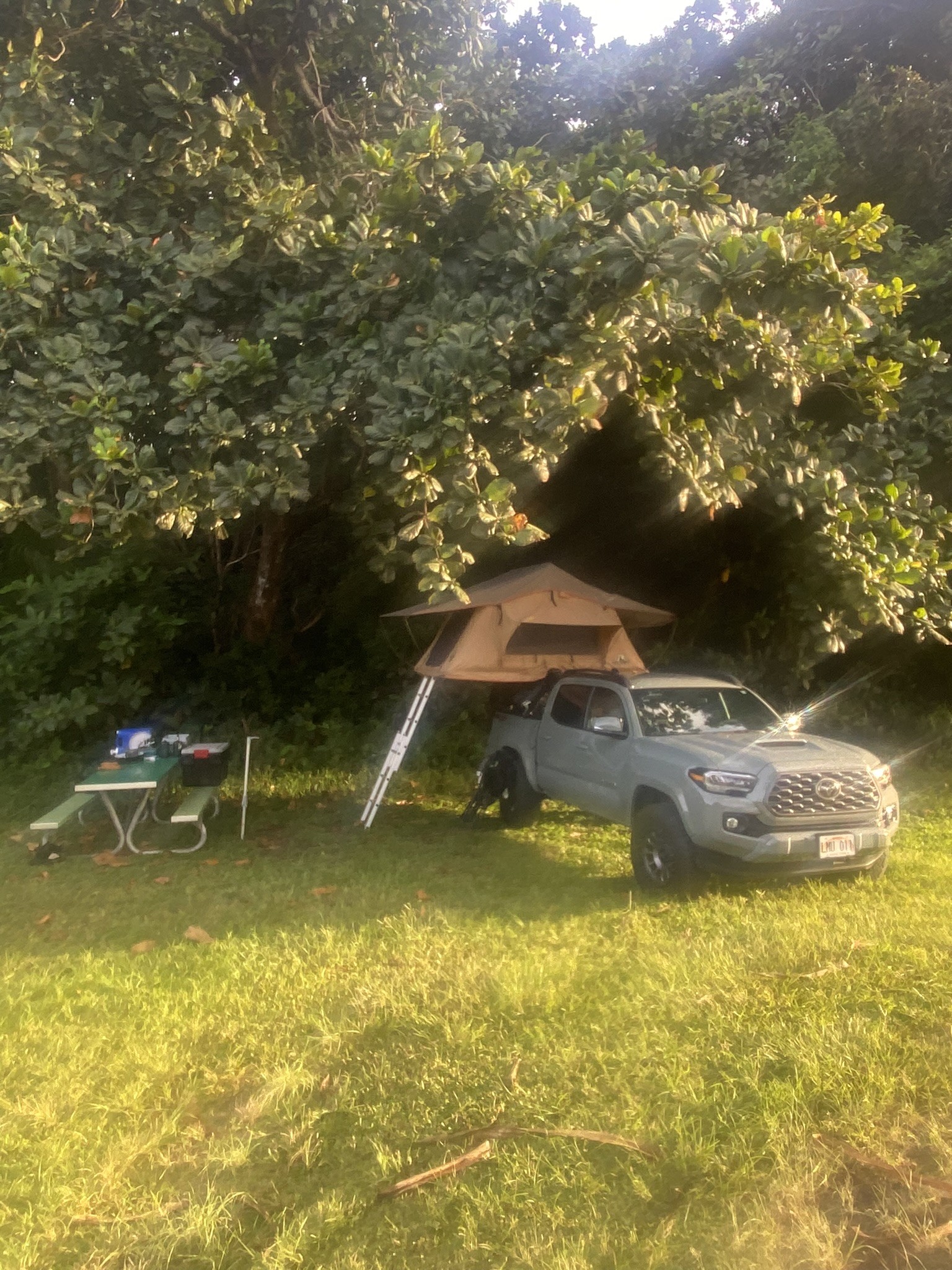
Tired of the resort crowds? Discover the raw, untamed heart of Maui as we trade luxury suites for starlit nights in a camping truck, exploring the spiritual bamboo forests of Kipahulu and the sun-drenched reefs of Olowalu. This isn’t just a trip; it’s an insider’s guide to the island’s dual soul, revealing how to unlock an adventure that truly refreshes and invigorates. Get ready to experience Maui the way it was meant to be.
Beyond the Resort: A Guide to Maui’s Wild Heart
For many, Maui is a vision of manicured resort lawns and poolside cocktails. But if you’re looking for the island’s true pulse, you have to go where the pavement ends and the spirit of the land takes over. My journey into the world of travel franchise ownership didn’t start in a boardroom; it started in the back of a rugged camping truck, parked under a canopy of stars at the Kipahulu Campground. There is a specific kind of magic that happens when you bypass the traditional hotel stay and opt for a life on four wheels, moving between the mist-shrouded rainforests of Hana and the sparkling reefs of Olowalu. I will provide full disclosure here. My experiences were of the 4Day/3Night category with the remainder of my vacation in some lodging with a hot shower (Olawalu does have hot showers, but Kipahulu is very, very primitive with the nearest anything 7 miles back to Hana). Make sure you get your ice and any water in Hana before heading out to Kipahulu). I would highly recommend driving the Hana road in the morning (before the tourist buses) and be aware that the road from Kipahulu to Hana is even more primitive with a lot of locals using it to get to work (be patient). But, don’t let any of this scare you…it’s worth it. Go with some intention of peace and grounding and you will receive.
The Dual Soul of Maui Camping
To truly experience the island, I recommend splitting your time between two legendary spots:
- Kipahulu (The Soul of the East): Located at the far end of the Road to Hana within Haleakalā National Park, this is where the Pipiwai Trail lives (https://www.nps.gov/hale/planyourvisit/kipahulu.htm) . Waking up here allows you to start your hike through the towering bamboo forest before the first tour buses arrive from Kahului. The vibe at Kipahulu is deep, cultural, and raw; you’ll fall asleep to the sound of birds and the roar of the Pacific crashing against the cliffs at ‘Ohe’o Gulch (The 7 Sacred Pools). This was truly a spiritual place for native Hawaiians, so please be respectful.
- Olowalu (The Sun of the West): For a “refresh and vigor” experience, head to Camp Olowalu. This is your beachfront sanctuary. It offers a “bougie” camping vibe with hot outdoor showers and some of the best snorkeling on the island right at your doorstep. It’s the perfect place to rinse off the Hana mud and enjoy a sunset over the West Maui Mountains with a view of Lanai in the distance.

The “Insider” Secret: Navigating the Truck Rental
Renting a camping truck on Maui is the ultimate freedom, but it is notoriously tricky for the uninitiated. Here is the “advisor-level” truth: Hawaii has strict laws against “boondocking” (sleeping in your vehicle on public roads or beach parks), especially with the displacement of many natives during the Lahaina fires (and yes, some of them are homeless and “boondocking”). To do this legally and respectfully, you must have confirmed permits for designated campgrounds like Kipahulu or Waiʻānapanapa.
Furthermore, many rental agencies have “no-go” zones for their vehicles—specifically the “back side” of the road from Hana (although if it is open it does offer some cool “stop offs”). As your travel partner, I can advise you along the way regarding the rental. I have had okay experiences and not so good experiences (from the same company- I’ll tell you more on the call). Typically they (whether a private renter or a rental company) will provide you with a “camping kit,” but up next is an essentials camping.

The Maui “Micro-Climate” Packing List
When you’re moving between the lush, tropical rainforest of Kipahulu and the dry, sunny coast of Olowalu, you are essentially traveling through two different worlds. To stay comfortable in your camping truck, you’ll need a “modular” packing strategy.
For the Kipahulu Rainforest (The East Side)
- A Lightweight, Breathable Rain Shell: It’s not a matter of if it will rain in Hana, but when. Look for GORE-TEX or similar materials that won’t make you sweat in the humidity.
- Quick-Dry Hiking Sandals (with Grip): The Pipiwai Trail can be muddy and slick. Sandals like Chacos or Tevas are perfect because they can get wet in the stream crossings and dry out quickly in the truck.
- Insect Repellent (Eco-Friendly): The “Hana mosquitoes” are legendary. Bring a DEET-free, lemon-eucalyptus spray to keep them at bay without harming the delicate island ecosystem.
- A Dry Bag: Essential for keeping your camera, phone, and extra socks dry while you’re hiking through the bamboo forest and visiting the Seven Sacred Pools.
For the Olowalu Coast (The West Side)
- Long-Sleeve Rash Guard: The sun at Olowalu is intense, especially when you’re snorkeling. A UPF 50+ rash guard protects your skin and keeps you from having to use excess sunscreen in the reef.
- Reef-Safe Sunscreen: Hawaii has a strict ban on sunscreens containing oxybenzone and octinoxate. Look for “Mineral Based” labels to protect the turtles and coral.
- Microfiber Travel Towel: These take up almost zero space in your truck and dry much faster than traditional cotton towels in the salty air.
- Polarized Sunglasses: Crucial for spotting the “potholes” in the reef and enjoying the glare-free views of Lanai across the channel.
The Camping Truck Essentials
- Headlamp with Red-Light Mode: Perfect for navigating the Kipahulu campsite at night without waking your neighbors or ruining your “night vision” for stargazing.
- Portable Power Bank: Even with a truck battery, having a dedicated power bank for your phone ensures you can always navigate the Road to Hana and capture those sunrise photos.